Malaysian Car Reviews, Road Tests & Buyer Guides | NazaDrive

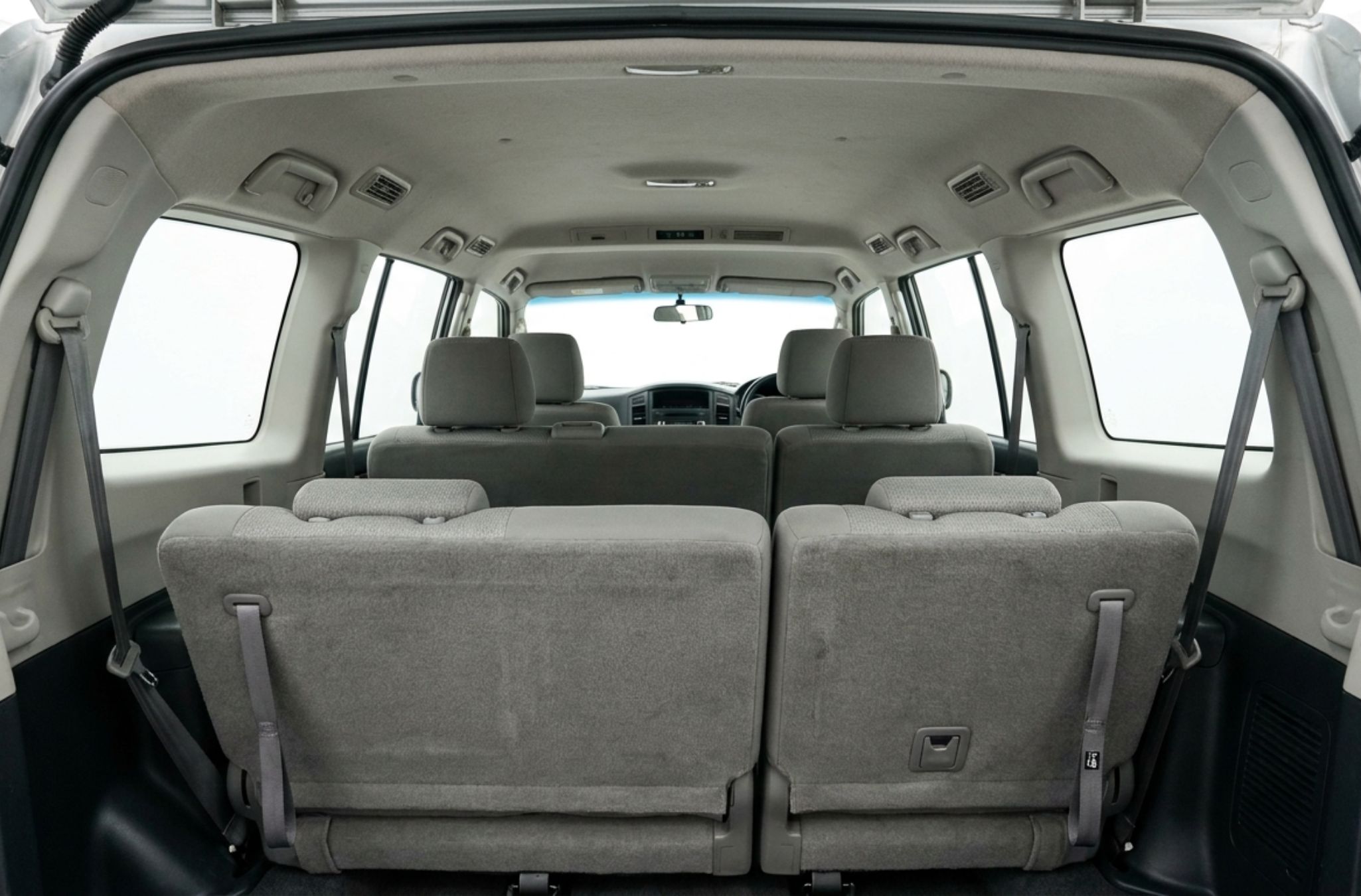
Malaysia is a seven-seat country. Balik kampung twice a year, three generations in one car, and a school run that somehow always picks up two extra kids. Three years ago a family needing a third row under RM100,000 had the Aruz, the Alza, and not much else. Today there are more than a dozen genuine seven-seaters on sale, and the RM100k–160k bracket belongs almost entirely to brands that had no showroom here five years ago.
First: three cars that are not 7-seaters
Before the list, the most common mistake Malaysian buyers make. Thousands of people every month go looking for a third row in cars that have never had one here. If one of these is on your shortlist, it should not be.
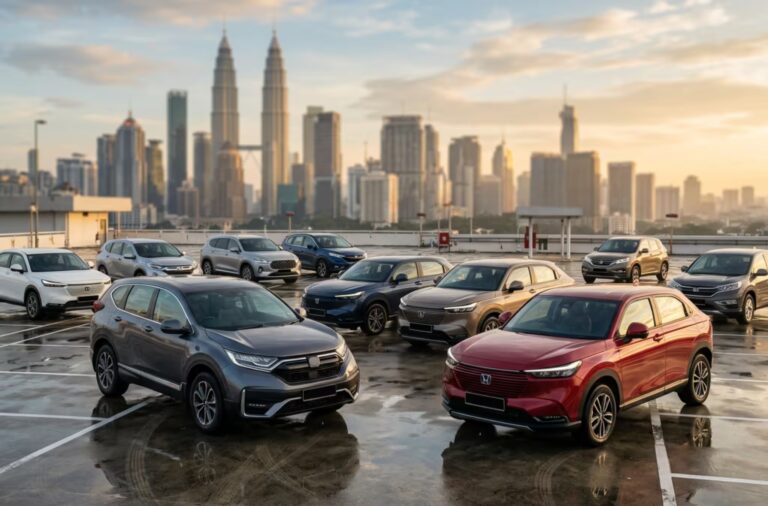
Honda CR-V — five seats only in Malaysia
The CR-V is sold as a seven-seater in Thailand and several other markets, which is where the confusion starts. Honda Malaysia chose not to bring it. Executive director Yujiro Sugino explained the reasoning plainly: given production volume at the Melaka plant, it was more efficient to localise a single seat configuration, so they concentrated on the five-seater.
The 2026 range — e:HEV E, V and RS, from RM178,200 — is five-seat across every variant. If you need seven seats and you want a Honda, the car you want is the BR-V.
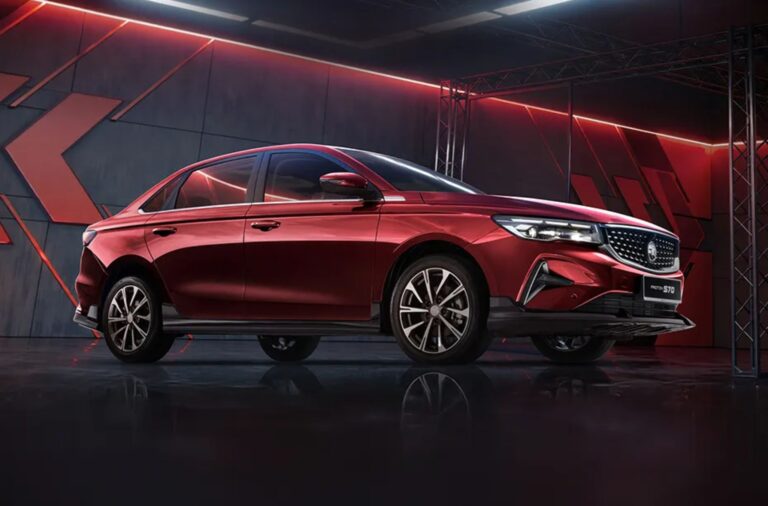
Proton X70 — five seats
The X70 is a five-seat D-segment SUV and always has been here. The seven-seat Proton is the X90, a different and physically larger car. If you have been studying X70 interior photos hoping to spot a third row, you are looking at the wrong Proton.
Jetour T2 — five seats
The boxy, Defender-styled T2 at RM157,669 is a five-seater in Malaysian spec. Jetour builds a seven-seat Traveller Plus in China, but it is not sold here. Jetour's seven-seater in Malaysia is the VT9.
The 7-seaters, by budget
1. Perodua Aruz — the value benchmark
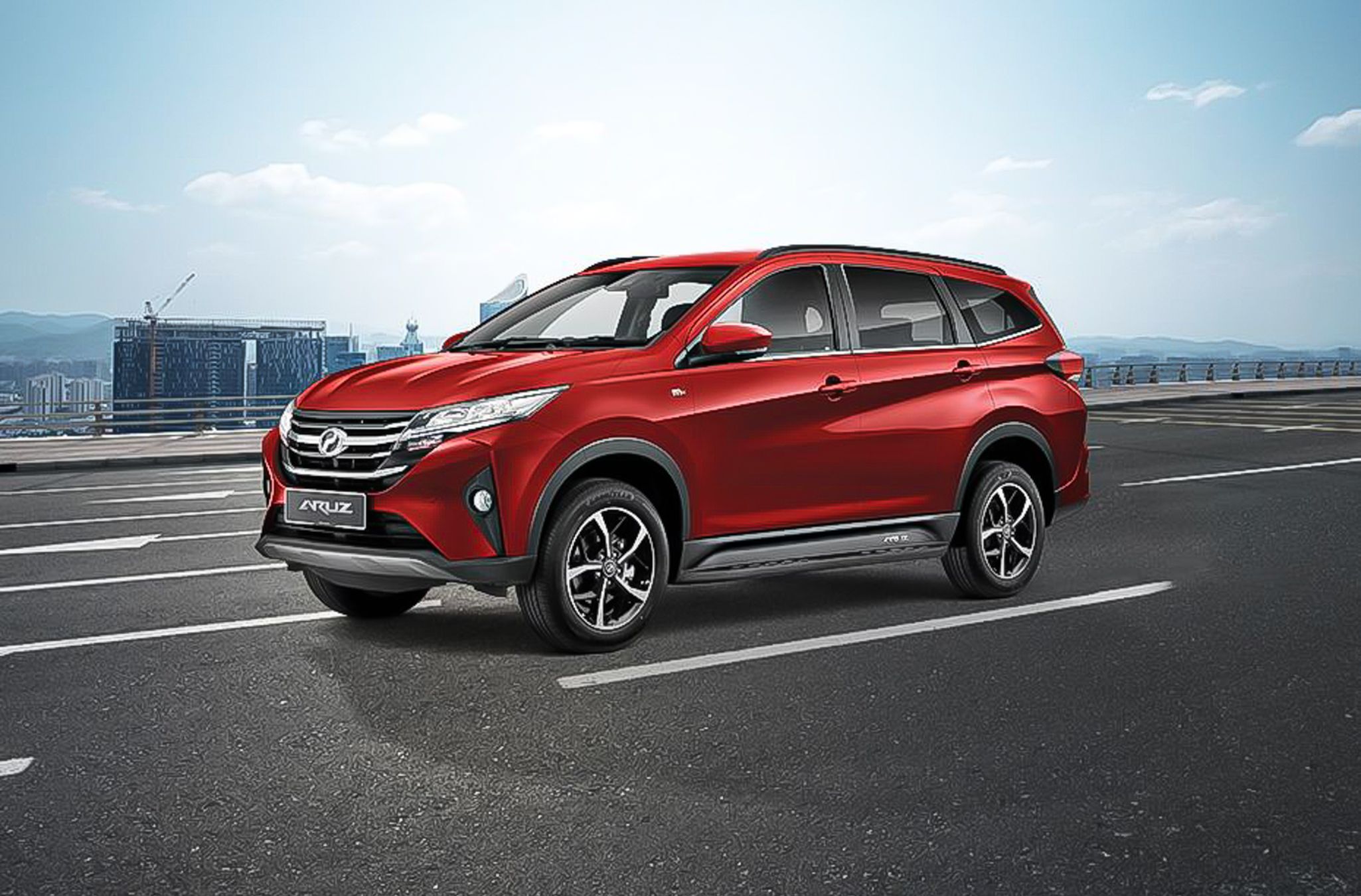
Still the cheapest way into a seven-seat SUV in Malaysia, and still selling hard — 4,234 units registered so far in 2026, the country's 19th best-selling model. It has been on sale since 2019 and the cabin shows it, but that is also why it works: the engineering is long since paid off, parts are everywhere, and a three-year-old Aruz holds around 74% of its value against a market average of 65%.
The 220mm ground clearance is not a styling number. It is genuinely useful on kampung roads and in flash floods, and it beats most RM150k SUVs.
2. Proton X90 — the most car per ringgit
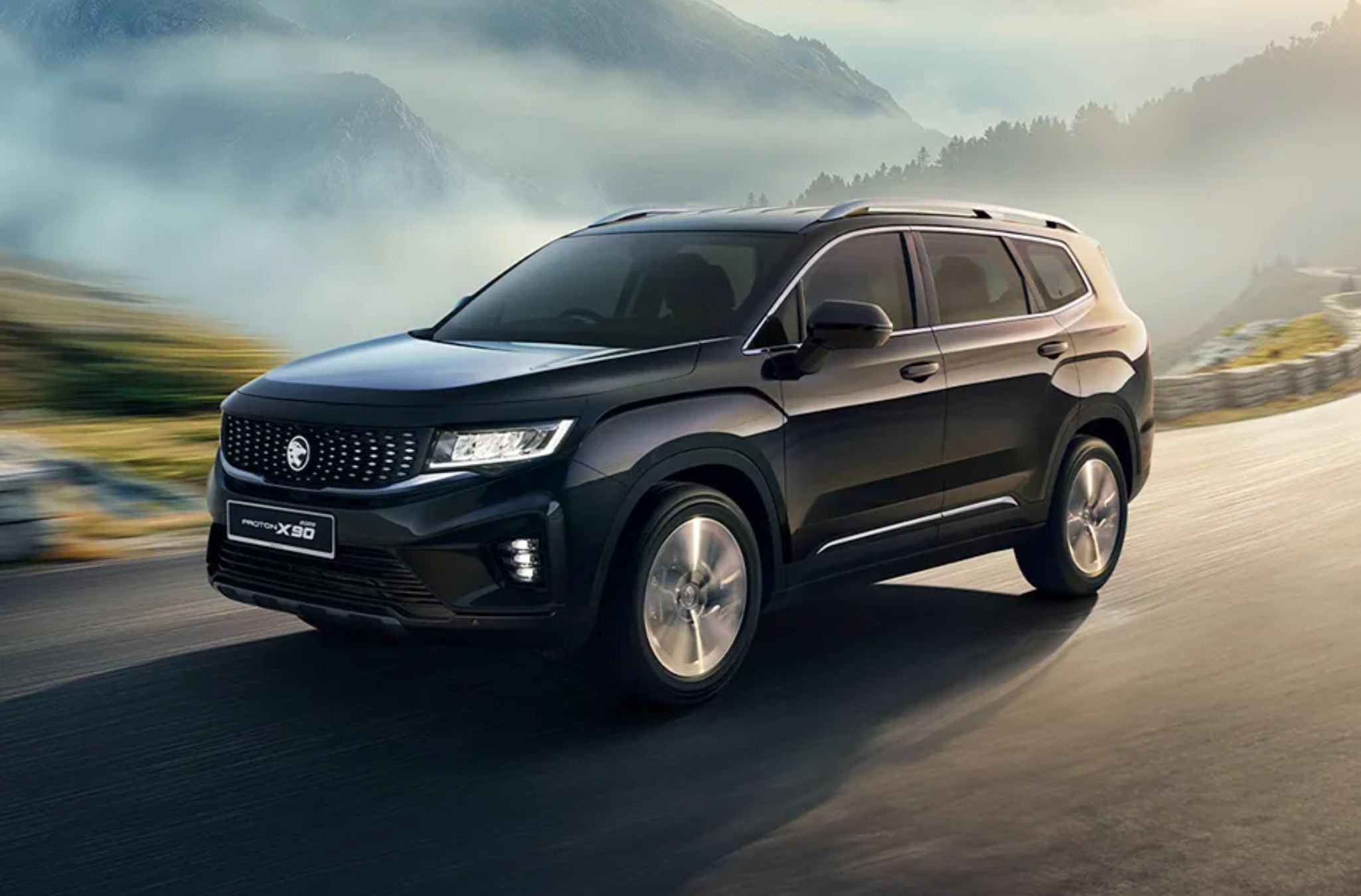
Proton's largest SUV, and the car that quietly rewrote what RM100k buys in this segment. The 48V mild-hybrid setup was Proton's first electrified powertrain, and the 2026 facelift sharpened the range considerably. At the entry price it undercuts every other D-segment seven-seater here by a wide margin.
The honest caveat owners raise: it is front-wheel drive only in Malaysia, where the Geely Haoyue it is based on offers AWD elsewhere.
3. Jetour VT9 — the newcomer
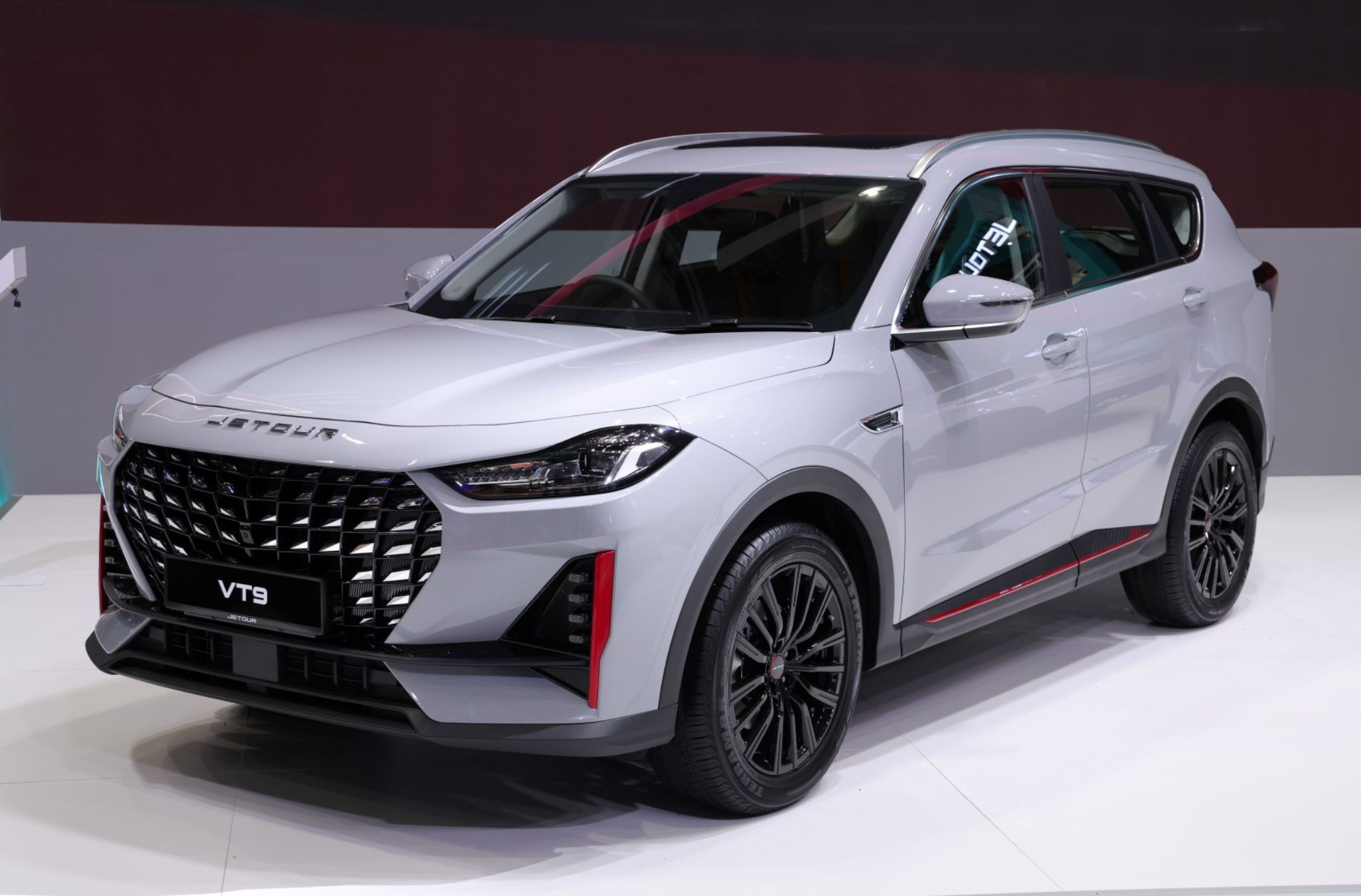
Jetour's seven-seater, and the car people are actually looking for when they search the T2. It lands in the same bracket as the X90 and the base Tiggo 8, which makes this three-way fight the most competitive corner of the Malaysian market right now.
4. Nissan X-Trail — the conservative pick
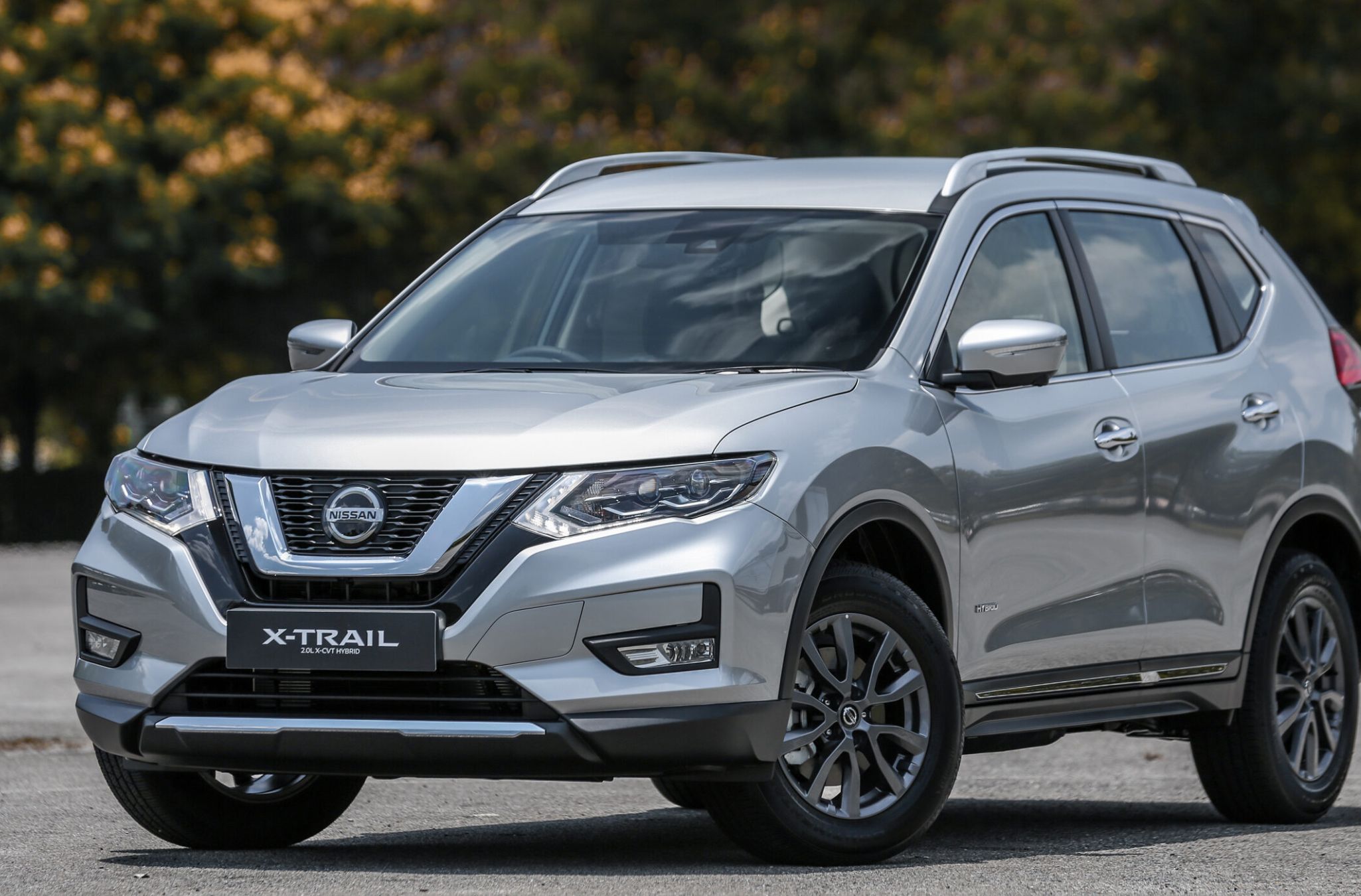
The Japanese option in a bracket that has gone almost entirely Chinese. You pay for that in equipment-per-ringgit terms, and you get it back in resale, parts availability and a service network that has been here for decades.
5. Chery Tiggo 8 — two very different cars
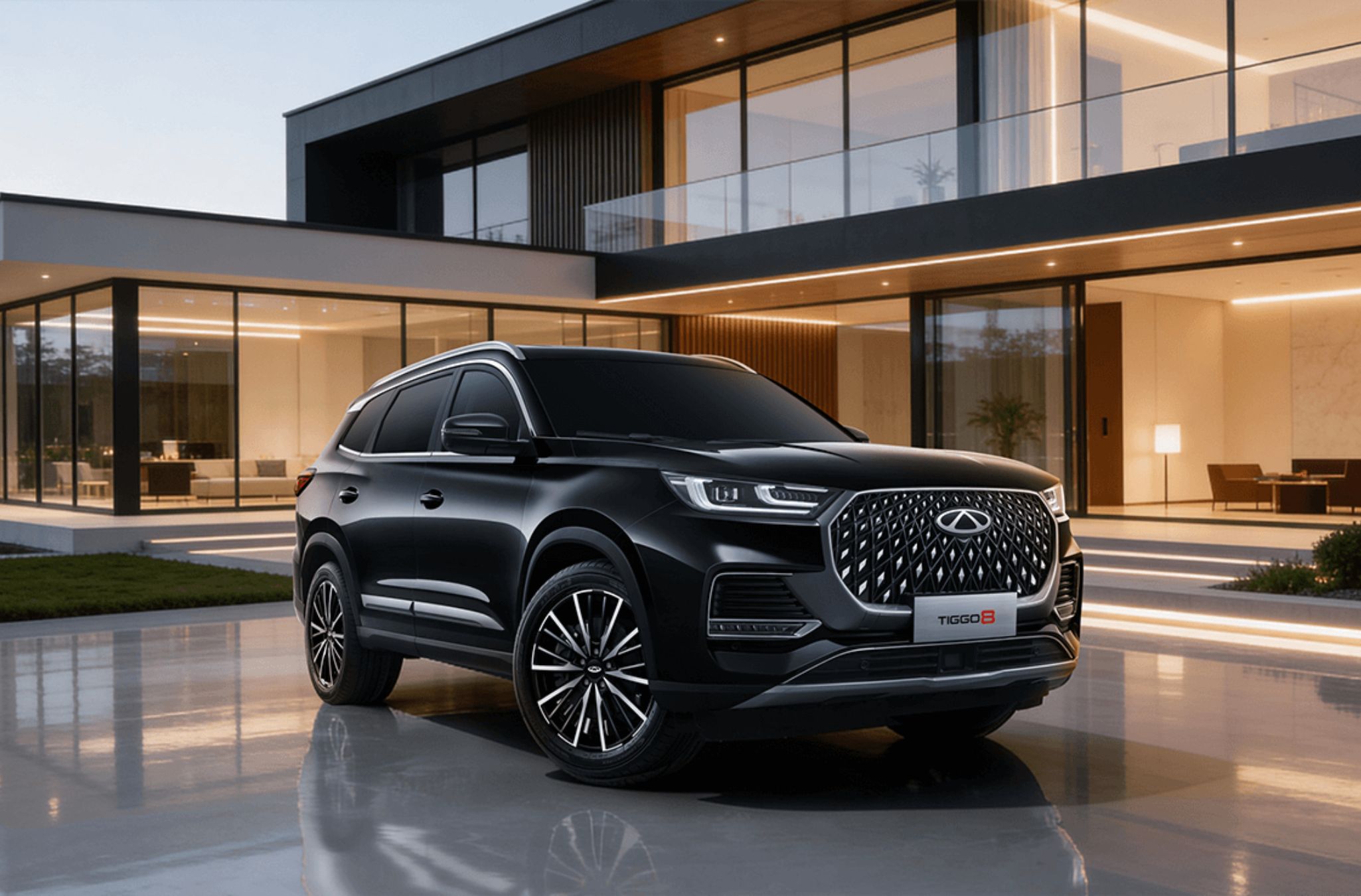
Worth understanding the split, because the badge hides a real gap. The non-Pro 1.6T launched in January 2026 as the cheapest seven-seat Chery at RM129,800 — roughly RM30,000 under the Pro on paper. It keeps eight Sony speakers, a 360-degree camera, acoustic glass, a powered sunroof and powered front seats with driver memory.
What you give up: six airbags instead of nine, and an older dashboard design carried over from the 2022 car.
6. Chery Tiggo 9 — the same engine, a bigger body and AWD
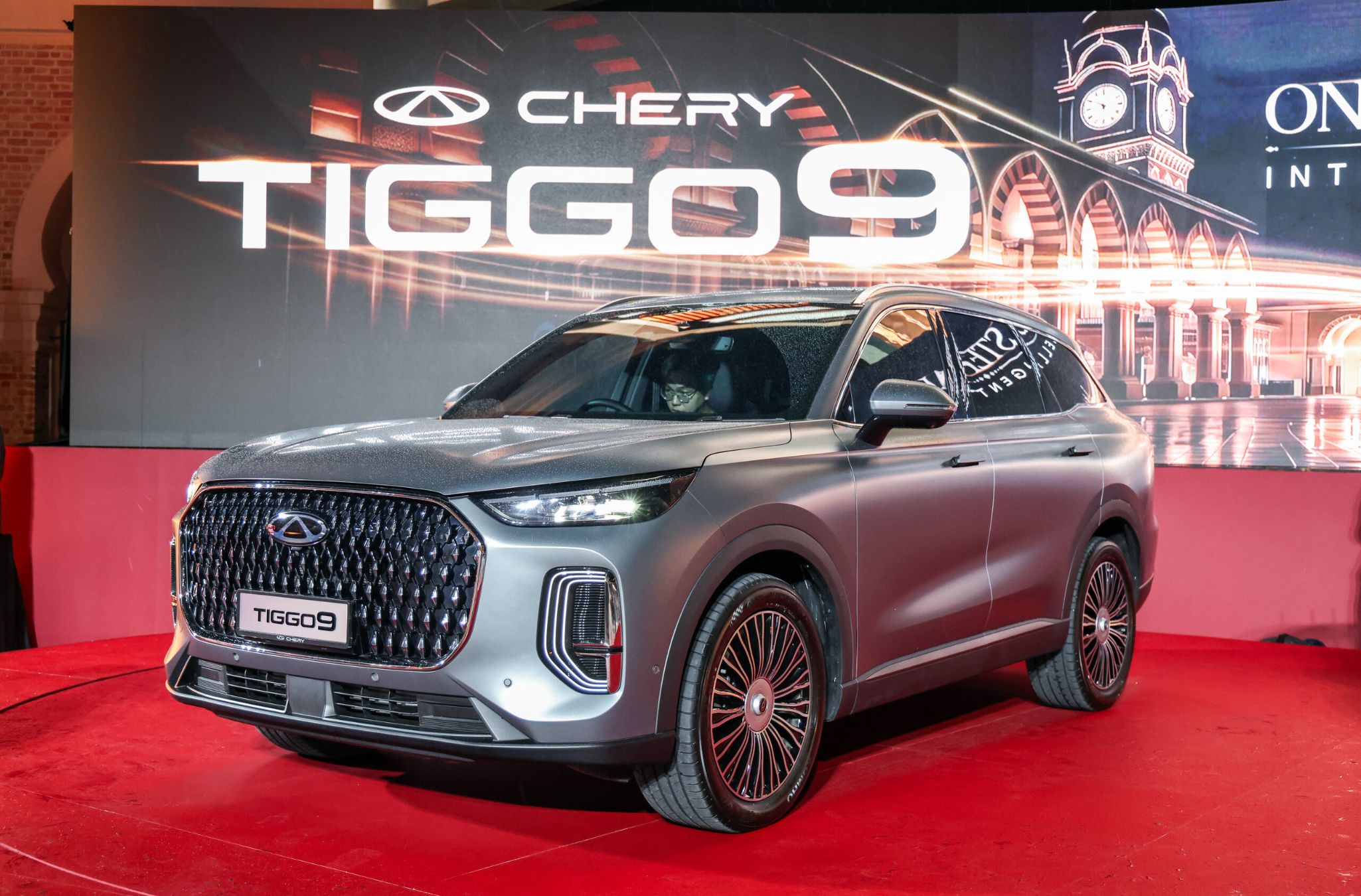
Chery's flagship, launched in June 2026, and the source of a lot of confusion because it shares its entire powertrain with the Tiggo 8 Pro. Same 2.0-litre turbo, same 256 PS and 390 Nm, same seven-speed DCT. What the extra roughly RM7,000 actually buys is a bigger body — 88mm longer, 65mm wider, with a 90mm longer wheelbase — a considerably more premium cabin, and the one mechanical upgrade that matters: all-wheel drive, with Snow, Mud, Sand and Off-road modes on top of the usual three. No Tiggo 8 offers AWD at any price.
Inside you get a split-screen dashboard, 64-colour ambient lighting, double-glazed acoustic glass, and front seats with massage, ventilation and heating.
One catch worth knowing before you sign. The Tiggo 9 has a smaller boot with all seven seats up than the Tiggo 8 Pro — 143 litres against 193 — despite being the larger car. The extra length went into second-row space and styling, not cargo. Fold the third row and it opens up to 448 litres.
The other oddity: it is pure petrol, with no hybrid option, which sits strangely on a flagship from a brand that markets its Super Hybrid technology as hard as Chery does.
7. Volkswagen Tiguan Allspace
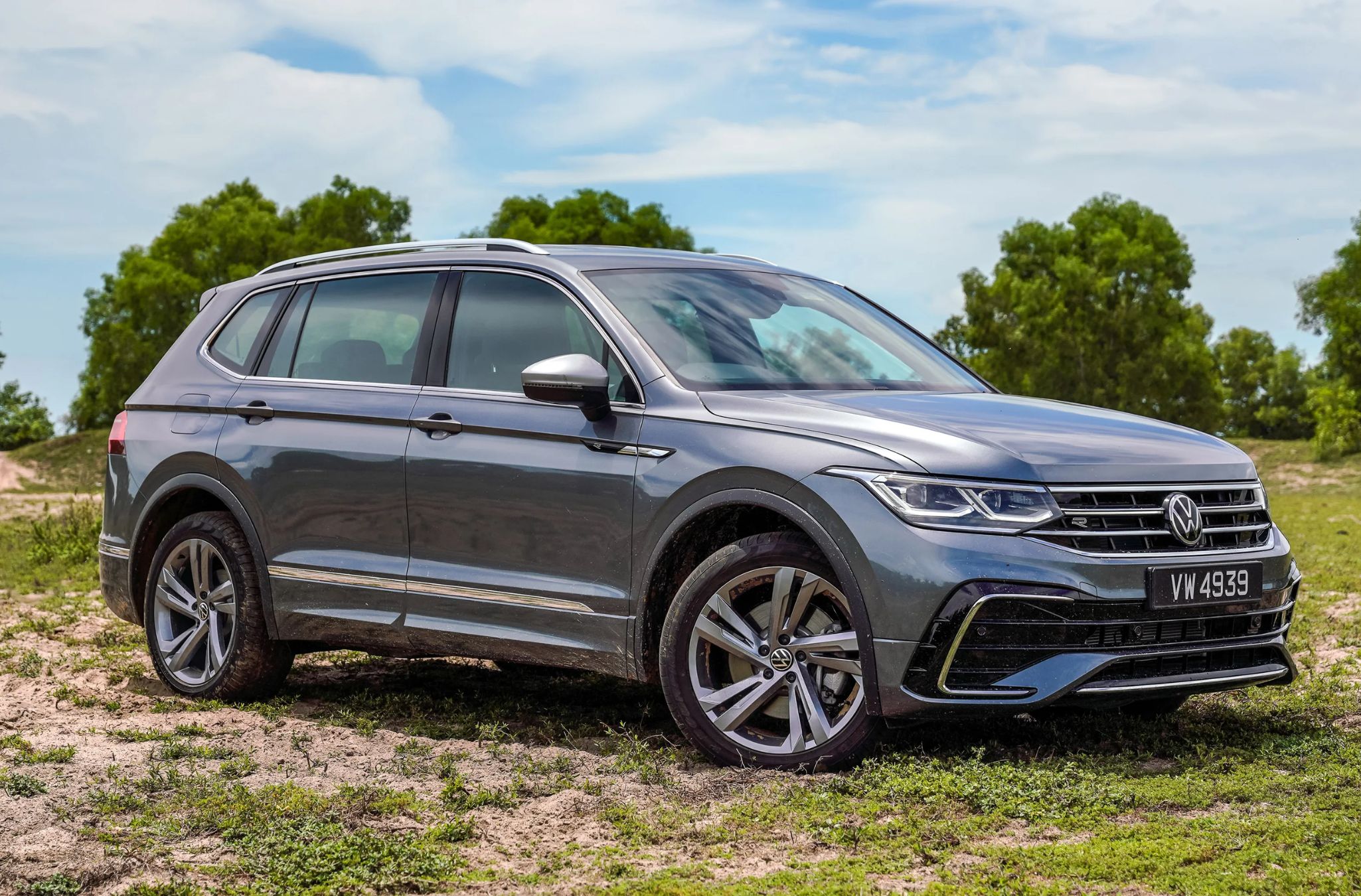
The long-wheelbase Tiguan, and the entry point to European seven-seat motoring here. Drives noticeably better than anything below it on a long highway run. Servicing costs reflect that.
8. Toyota Fortuner — the only proper ladder-frame option
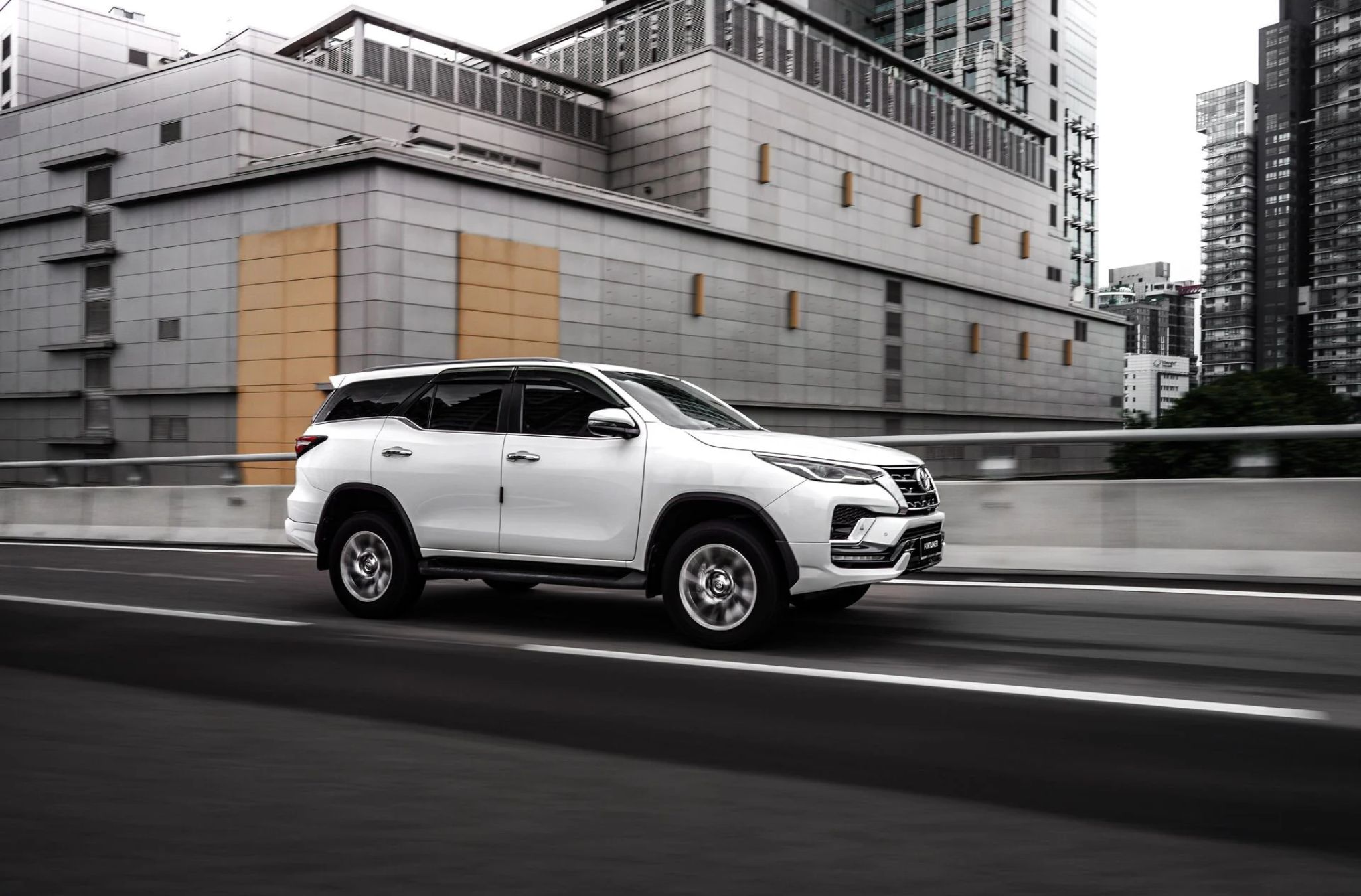
Everything else on this list is a unibody crossover. The Fortuner is built on a Hilux ladder frame, which makes it heavier and less comfortable on tarmac and far more capable when the tarmac runs out. If you tow, or you drive plantation and estate roads regularly, nothing else here competes.
9. Peugeot 5008, Mazda CX-8 and Kia Sorento
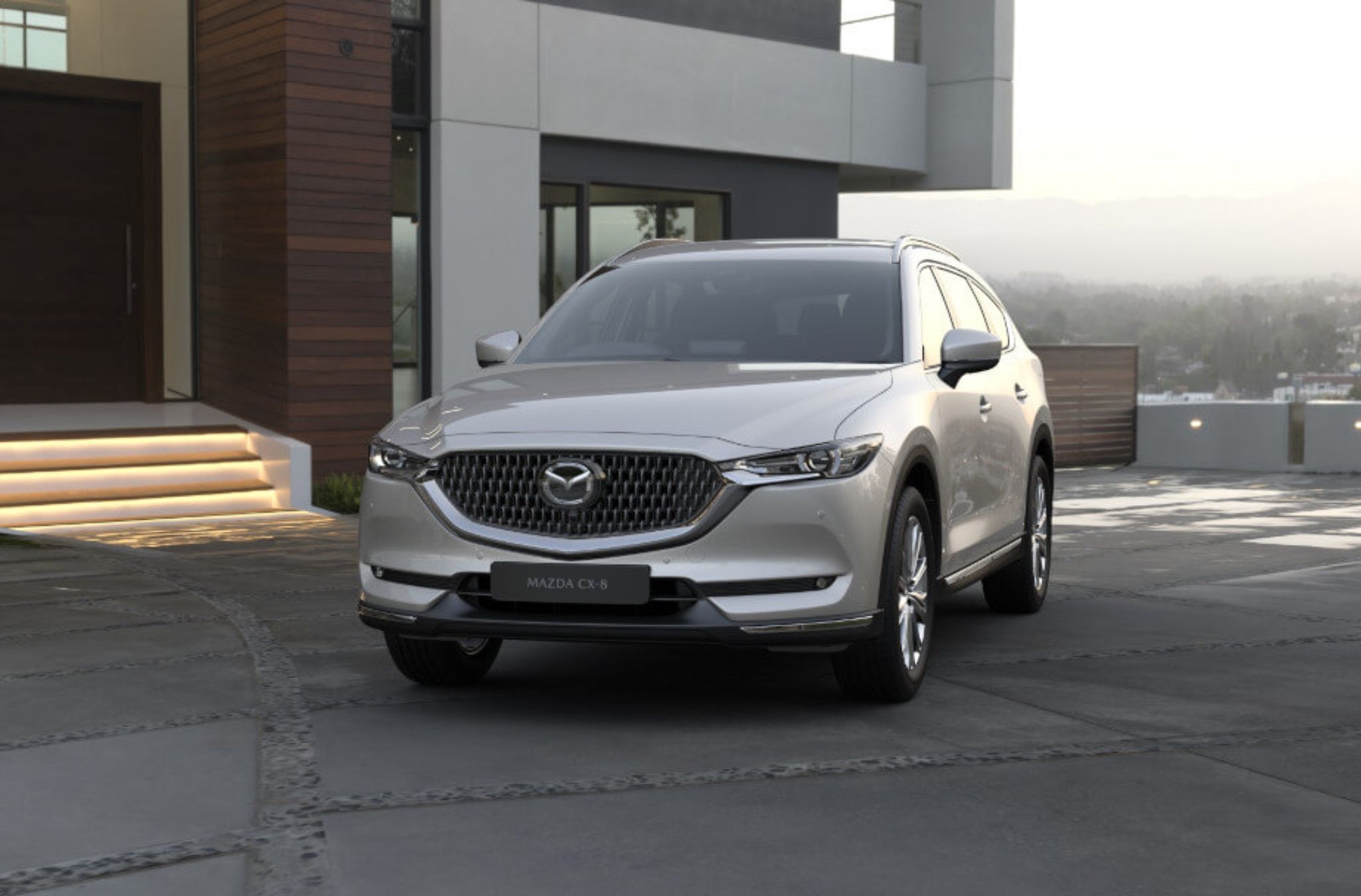
The premium end. All three offer a more finished cabin than anything below them, and the CX-8 in particular has the best-judged third row of the group for adult use. At these prices you are also shopping against the Innova Zenix and the MPVs below, which are more space-efficient for the money.
What about MPVs?
If you want seven seats and you do not specifically want an SUV, an MPV gives you more usable room per ringgit, every time. A sliding-door MPV with a flat floor beats an SUV of the same price on third-row comfort and boot space, because it was designed around carrying people rather than around looking like it could climb something.
The five that dominate Malaysian showroom traffic are the Perodua Alza, Toyota Veloz, BYD M6, Toyota Innova Zenix and Toyota Alphard, spanning RM62,500 to well over half a million. We compare them properly in our top 5 MPV cars in Malaysia guide.
The running cost nobody lists: road tax
Here is the part price lists skip. Every seven-seater on this page is classified as a non-saloon — SUVs, MPVs and vans all are — and non-saloons run on a completely separate JPJ rate schedule from sedans.
Below roughly 2,300cc that schedule is more expensive, not less. This surprises people who assume SUVs are taxed lightly.
| Model | Capacity | Annual road tax |
|---|---|---|
| Perodua Aruz 1.5 | 1,496cc | RM120 |
| Perodua Alza 1.5 | 1,496cc | RM120 |
| Proton X90 1.5T | 1,477cc | RM120 |
| Chery Tiggo 8 1.6T | 1,598cc | RM120 |
| Chery Tiggo 8 Pro 2.0T | 1,998cc | RM439.20 |
| Chery Tiggo 9 2.0T | 1,998cc | RM439.20 |
| A 1.5L sedan, for comparison | 1,496cc | RM90 |
So the Aruz pays RM30 a year more than a Myvi on an identical 1,496cc engine, purely because of how it is classified. Small money — but the jump from the Tiggo 8 to the Tiggo 8 Pro costs RM319 every year, on top of the RM30,000 purchase difference. Over seven years of ownership that is another RM2,233.
Be honest about the third row
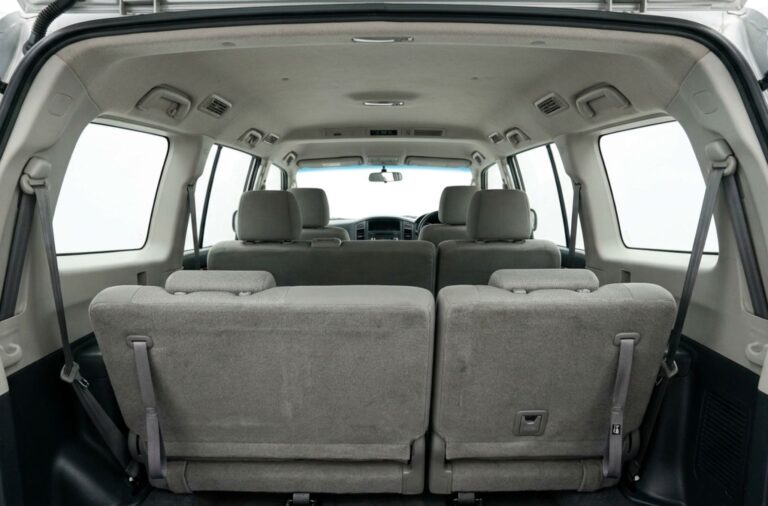
Almost every seven-seat SUV in Malaysia is really a 5+2: five proper seats, plus two that work for children, short trips, or adults who have done something to deserve it. Three things to check on a test drive, none of which appear on a spec sheet:
- Boot space with all seven seats up. Not the folded figure manufacturers advertise. On most of these it drops to roughly a weekly grocery run — which means seven people plus luggage is often not possible at all.
- How the second row moves. A sliding second row lets you trade legroom between rows. A fixed one means the third row gets whatever is left.
- Third-row air conditioning. Non-negotiable in this climate. The Aruz has rear air con; check every car on your list, because some at twice the price do not.
The real test: sit in the third row yourself, with the second row set where an adult would actually put it. Twenty seconds tells you more than any review.
Frequently Asked Questions
What is the cheapest 7-seater car in Malaysia?
The Perodua Alza, an MPV, from RM62,500. The cheapest seven-seat SUV is the Perodua Aruz at RM72,900.
Is the Honda CR-V a 7-seater in Malaysia?
No. Every CR-V variant sold here is a five-seater. Honda Malaysia decided against localising the three-row version because of production volume at the Melaka plant. Honda's seven-seater in Malaysia is the BR-V.
Is the Proton X70 a 7-seater?
No, the X70 is a five-seat SUV. Proton's seven-seater is the larger X90, from RM99,800.
Is the Jetour T2 a 7-seater?
No. The T2 is a five-seater in Malaysia. Jetour's seven-seat model here is the VT9.
What is the difference between the Chery Tiggo 8 and Tiggo 9?
The Tiggo 9 uses the same 2.0-litre turbo engine and 7-speed DCT as the Tiggo 8 Pro. What separates them is size, cabin quality and drivetrain: the Tiggo 9 is 88mm longer and 65mm wider, has a more premium interior, and is the only one of the two with all-wheel drive and off-road driving modes. It costs around RM7,000 more. Note that the Tiggo 9 actually has a smaller boot with all seven seats up.
Do 7-seaters pay more road tax in Malaysia?
Usually yes, compared with a sedan of the same engine size. All seven-seaters are classified as non-saloons, and below about 2,300cc the non-saloon schedule is more expensive. A 1.5-litre seven-seater pays RM120 a year against a 1.5-litre sedan's RM90.
SUV or MPV for seven seats?
MPV, if the third row will be used regularly — more usable space per ringgit, easier access, better third-row comfort. SUV, if you want ground clearance, towing capability or the higher driving position.
Prices are on-the-road, Peninsular Malaysia, excluding insurance, correct at time of writing and subject to dealer promotions. Road tax figures calculated on the JPJ non-saloon schedule for Peninsular Malaysia — confirm your exact engine capacity on your VOC. Last updated: September 2026.